
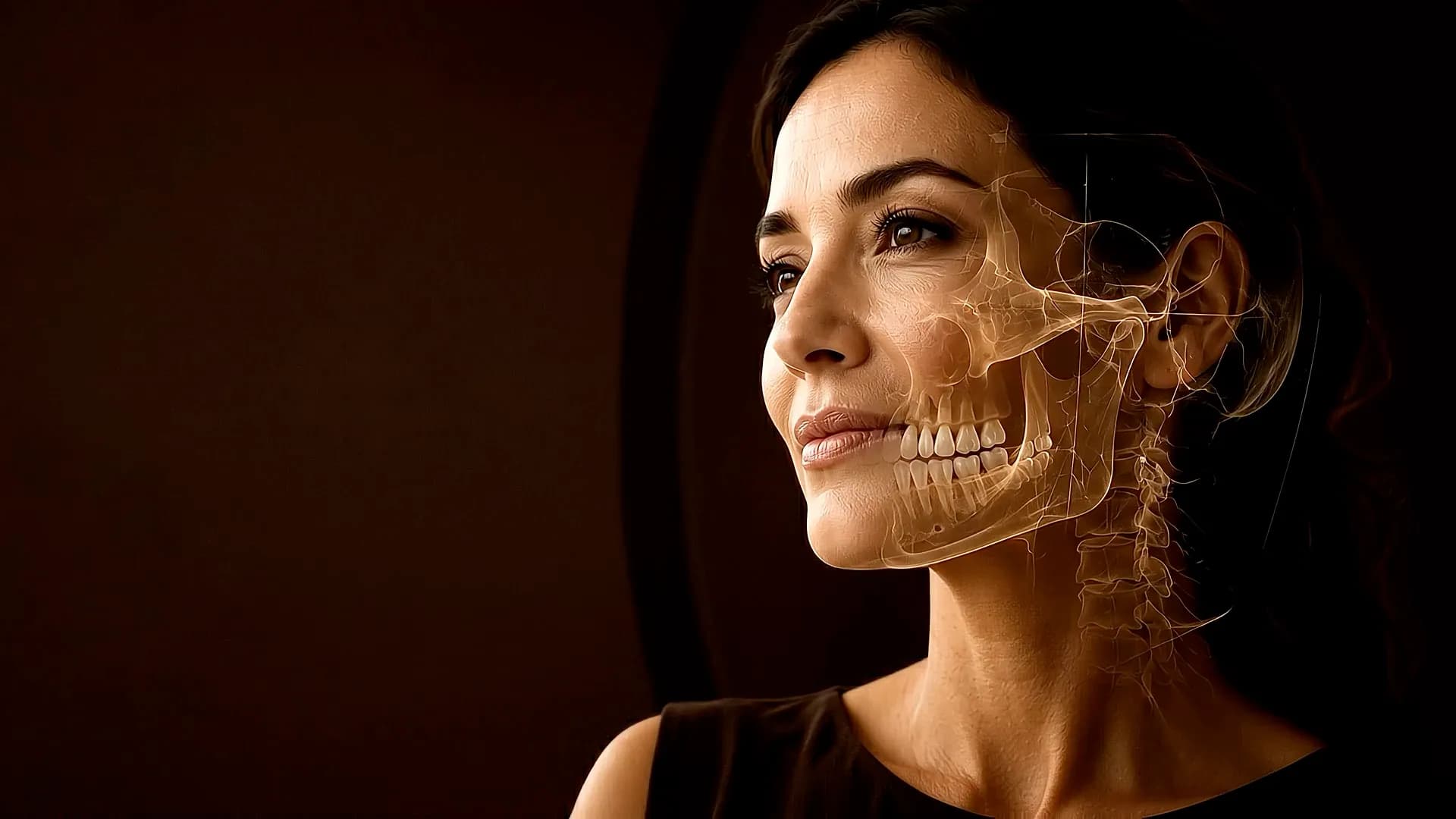
Understand first.
A good treatment starts long before treatment begins.
Every clinical decision starts with a precise diagnosis. That’s why we use intraoral scanning, 3D radiology, photographs and digital tools that let us see structures, relationships and details that aren’t always visible to the naked eye.
We bring all of that information together to get a fuller picture of each case before deciding what to do. Because the better we understand the starting point, the better we can plan what comes next.
More information, better decisions.
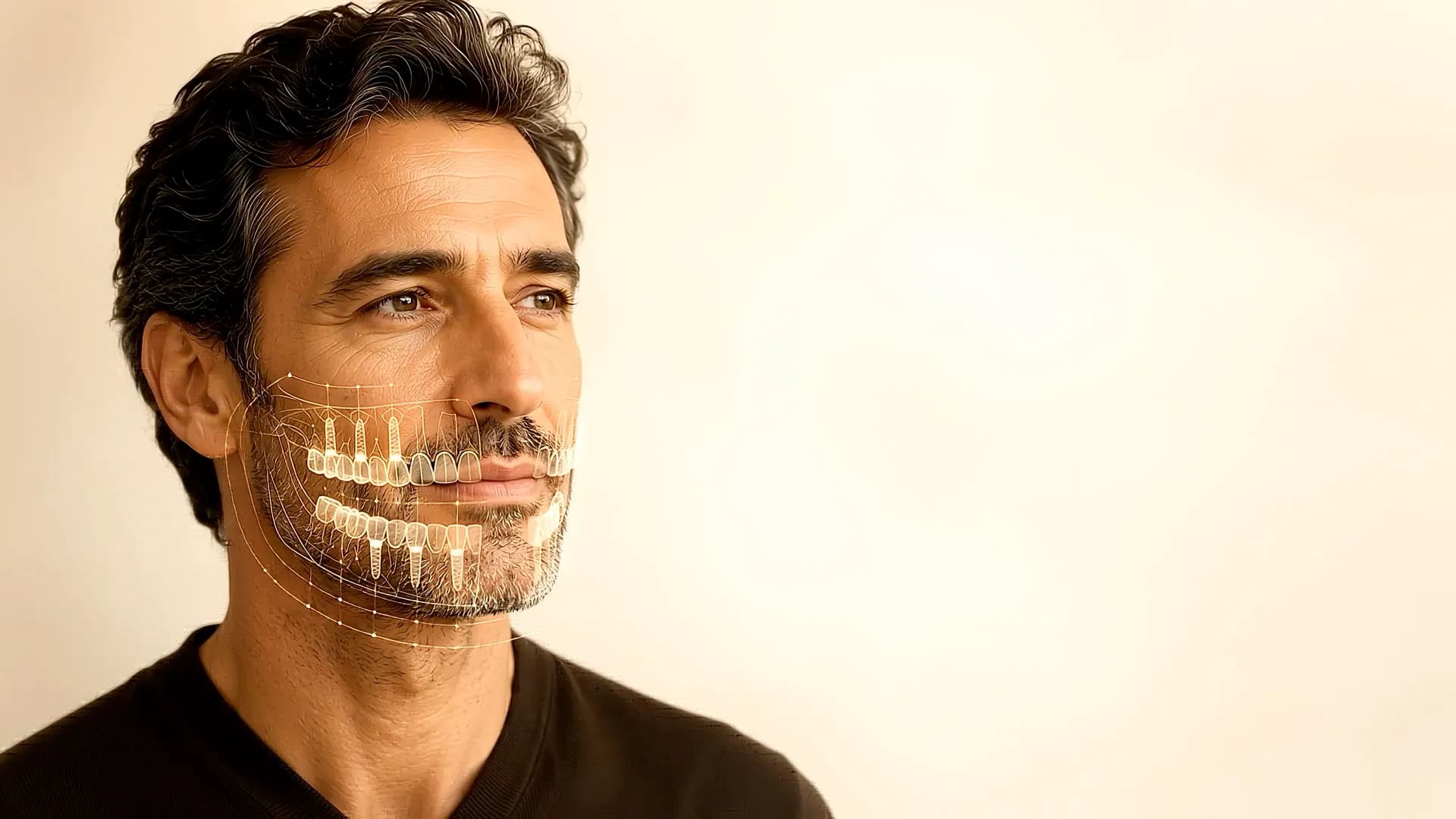
Plan better
Precision doesn’t start with treatment — it starts with planning.
Once we fully understand the case, we use digital tools to anticipate every step before it happens in the mouth.
3D planning, guided surgery, digital orthodontics and smile design let us study positions, movements, volumes and relationships with greater precision, reducing improvisation and making better-informed decisions.
The better a treatment is planned, the more control we have over how we carry it out.
Planning turns information into precision.
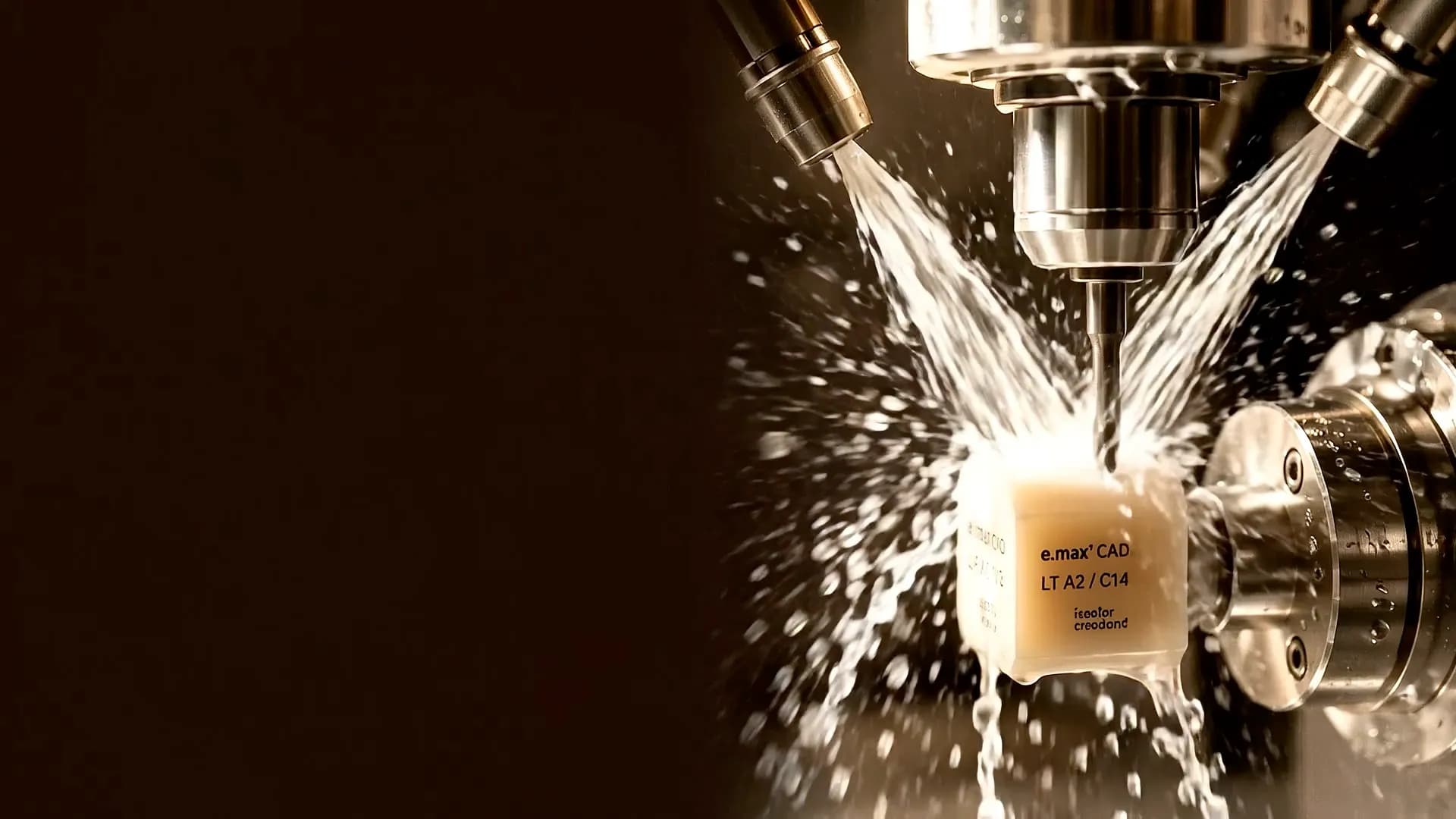
Design and manufacture
From digital design to a real solution, without losing control of the process.
Digital dentistry lets us turn the information we gather into precisely manufactured models, restorations and devices.
We work with CAD/CAM systems, milling and 3D printing to design and produce restorations, provisionals, splints, models and surgical guides tailored to each case.
Keeping much of this workflow in-house lets us review every detail, make adjustments faster, and maintain continuity between what we plan and what we ultimately place in the mouth.
From digital file to physical precision.
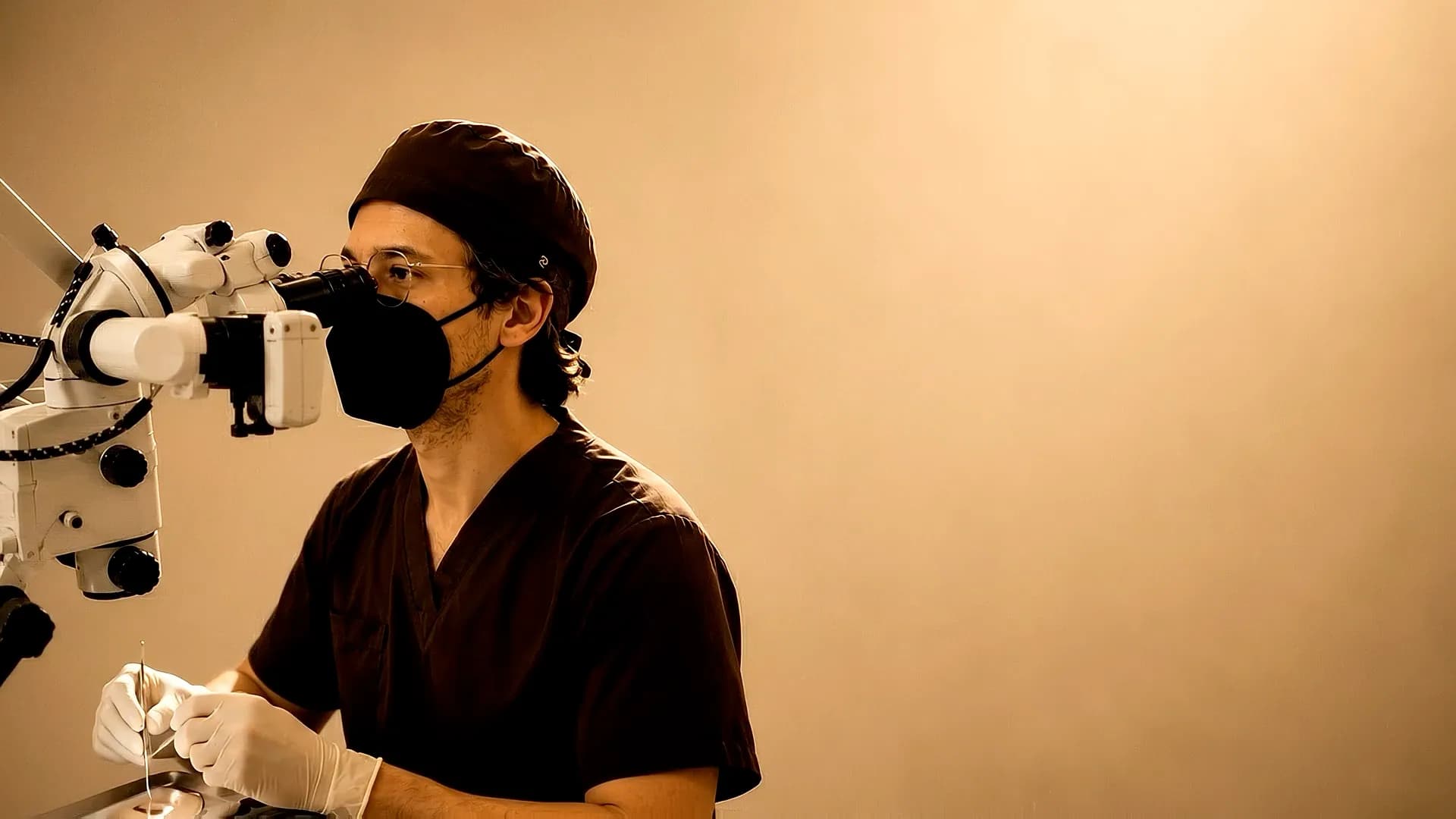
Precision begins by seeing what other details hide.
Working with magnification lets us observe structures, margins and small details with a clarity the naked eye can’t reach.
A microscope and loupes help us work with greater control in procedures where fractions of a millimeter can make the difference: preserving more tissue, adjusting better and making decisions with a more precise view of the clinical field.
Because the more we see, the finer our work can be.
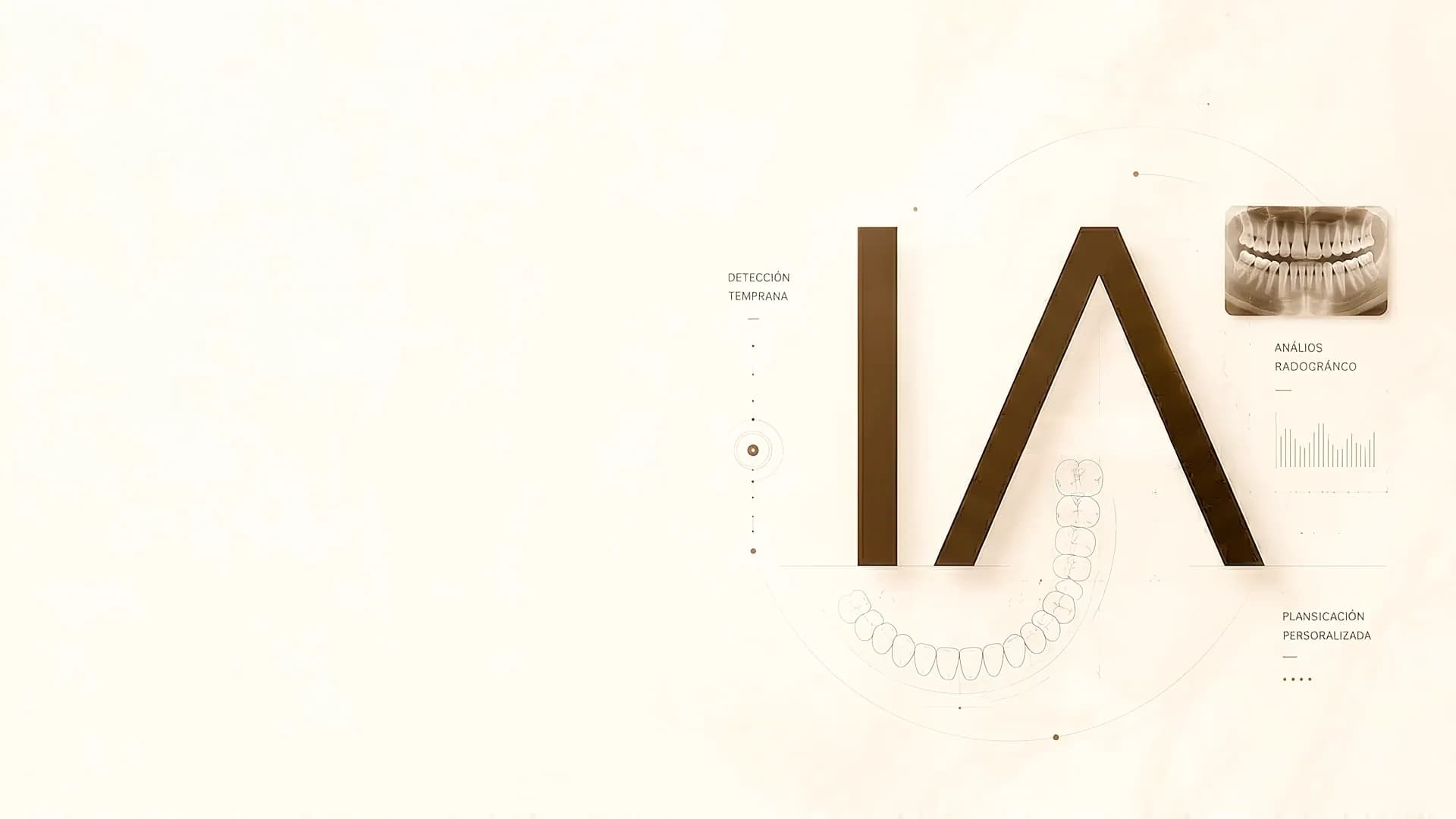
Clinical artificial intelligence
We don’t just use artificial intelligence. We also develop it in-house.
We use AI tools across different processes to analyze information, organize data and work with greater precision. But our role isn’t limited to using technology built by others.
We also take part in creating solutions born from real clinical needs, designed to help interpret cases better and improve decision-making.
Artificial intelligence doesn’t replace professional judgment. It helps us work with more clarity.
Clinical AI, created and used with judgment.
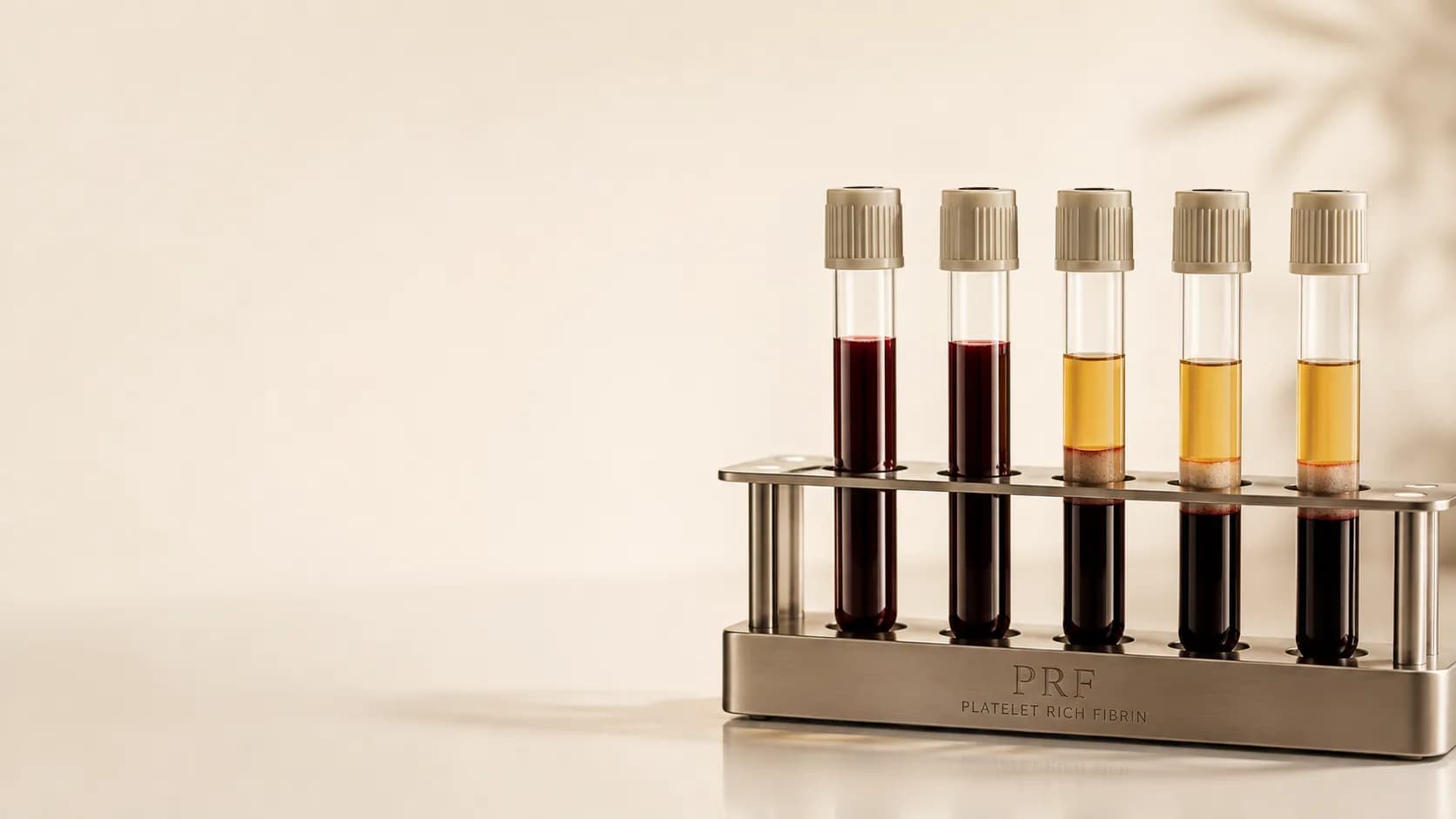
Your own biology as part of the treatment
From a small sample of the patient’s own blood, we obtain concentrates rich in fibrin, platelets and biological factors that can be used in certain surgical procedures to promote optimal conditions for healing and tissue regeneration.
No components from external sources.
No unnecessary additives.
Biology applied to more advanced dentistry.
100 % autologous · Regeneration · Advanced surgery