
01
Lighten
Teeth whitening
The aim
Change the shade of natural teeth when appropriate.
What to consider
It does not whiten restorations. Sensitivity, gums and the starting situation affect the proposal.
Natural, by design.
A smile that still feels like you.
Light, contours, the way you smile. We study the details to decide with you what to improve and what to preserve.
Explore my smileDiscover the details01 / A closer look
Perhaps it is a shade, an edge or a small gap. We begin by listening and looking at how it relates to the whole.
Colour means more than choosing a white. We consider your teeth's shade, translucency and any existing restorations. A natural appearance depends on how they work together.
What we consider together
Shade, translucency and harmony with your smile.
A worn edge, a small chip or a contour may catch your eye. We study the remaining tissue, your bite and the possibilities for preserving it.
What we consider together
Contours, texture and biting function.
There is no perfect measurement for every smile. We consider sizes, spaces, gums and tooth position within your expression and face.
What we consider together
Teeth, gums and face considered together.
Illustrations for explanation, not clinical cases or simulations of results. Every proposal requires an individual assessment.
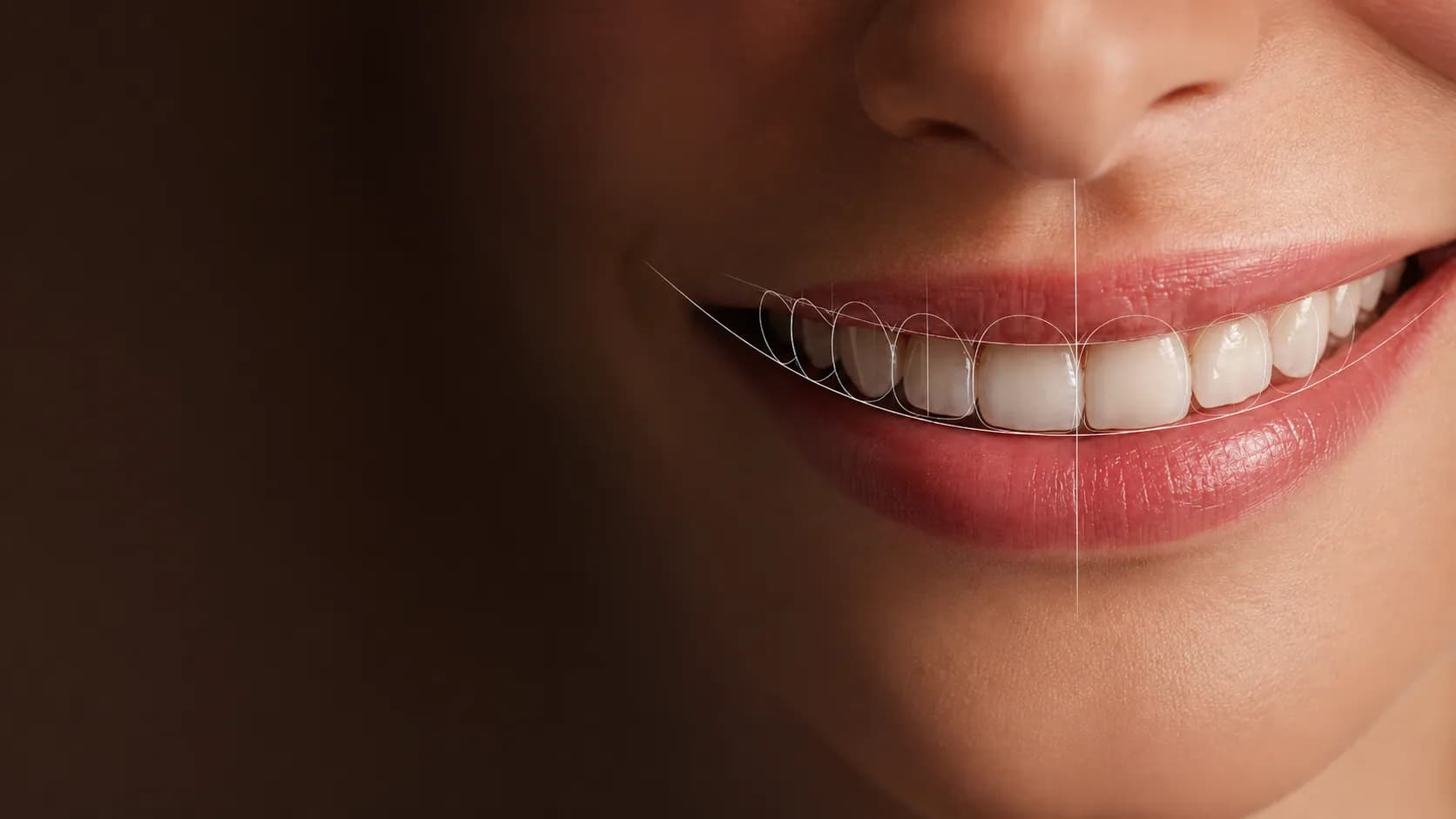
02 / Digital Smile Design
Designing a smile begins with a conversation. DSD helps relate what you would like to improve to the records, planning and possibilities for your case.
What dental photography helps us assess
After completing his residency in Digital Smile Design, Dr Vicente Ferrer joined the official DSD Member community. An approach that studies the smile within the face.
Explore Dr Ferrer's backgroundListen to your expectations and gather the records needed for your assessment.
Study teeth, gums, bite and expression as parts of the same proposal.
Share the design, explain the options and agree the next steps with you.
Design supports planning and communication. An image or a trial of the design, when indicated, does not guarantee an identical result.
Material, light and judgement
A veneer is a thin facing fitted to the visible surface of a tooth. Its shape and interaction with light are planned alongside the underlying tooth and bite. The first question is whether it is appropriate for your case.
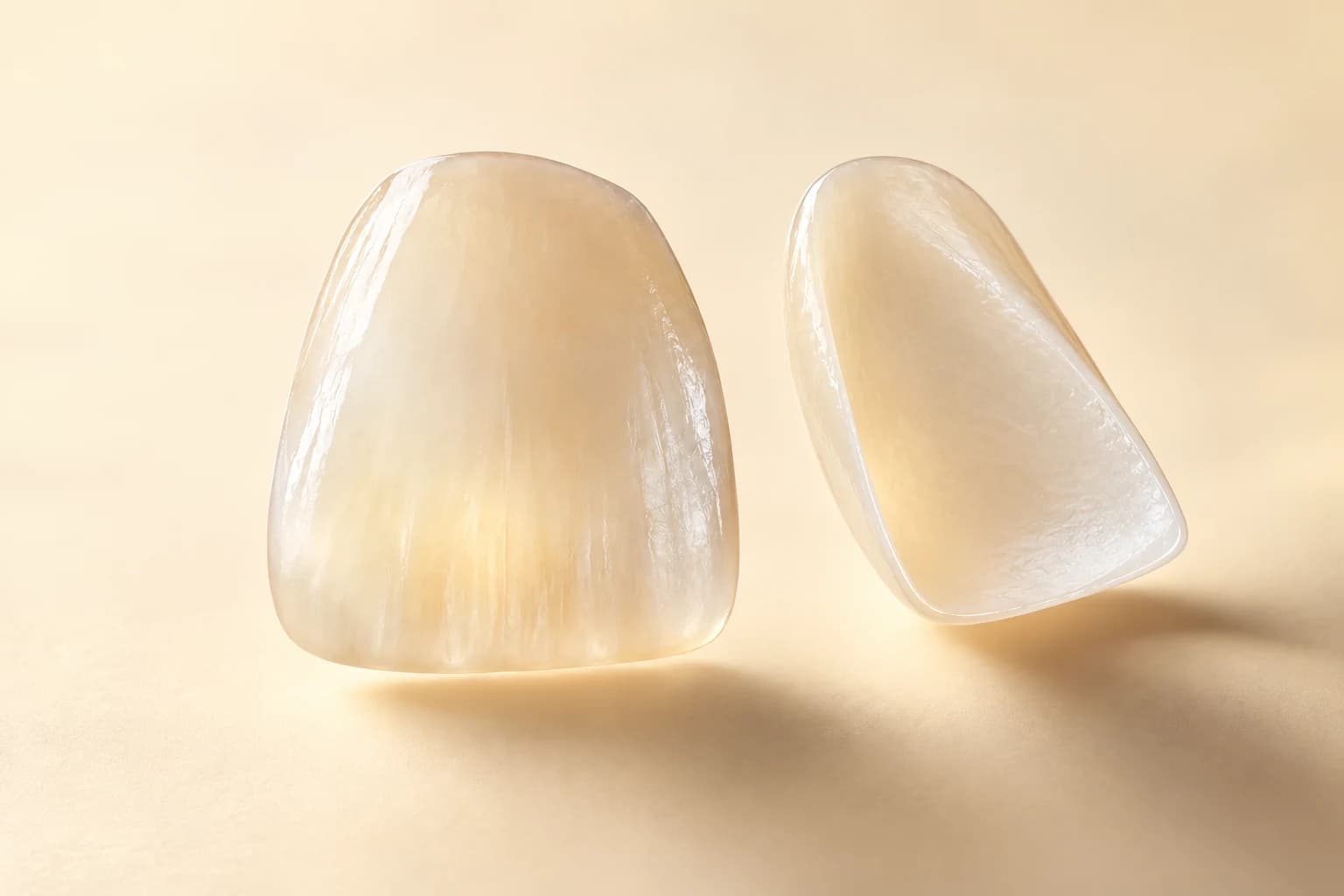
We begin by listening
Tell us what you would like to improve. We will explore the possibilities, their limits and the care they require together.
Explore my smileRead about digital smile design (in Spanish)03 / Different ways to improve
Lightening, restoring and moving a tooth are different decisions. Assessment helps consider one option, combine several or preserve your current situation.
Lighten
The aim
Change the shade of natural teeth when appropriate.
What to consider
It does not whiten restorations. Sensitivity, gums and the starting situation affect the proposal.
Rebuild
The aim
Replace tissue or adjust certain contours using a material bonded to the tooth.
What to consider
Its scope depends on tissue loss, the bite and maintenance needs.
Shape
The aim
Change the visible surface with a personalised thin ceramic facing.
What to consider
Assess whether tooth preparation is needed, how much tissue can be preserved and how to care for them.
Reposition
The aim
Move teeth to address their position and the relationship between the arches.
What to consider
Supporting tissues, bite, follow-up and retention need assessment.
Explore orthodonticsGum health is also part of dental aesthetics.
Explore periodontal assessmentWe begin by listening and looking at how a concern — a shade, an edge or a small gap — relates to the whole: light, contours, gums, bite and the way you smile. The aim is to decide with you what to improve and what to preserve. Every proposal requires an individual assessment.
No. DSD helps relate what you would like to improve to the records, planning and possibilities for your case. Design supports planning and communication. An image or a trial of the design, when indicated, does not guarantee an identical result.
No. Whitening, when appropriate, is intended to change the shade of natural teeth. It does not whiten restorations. Sensitivity, gums and the starting situation affect the proposal.
A veneer is a thin facing fitted to the visible surface of a tooth. Its shape and interaction with light are planned alongside the underlying tooth and bite. We assess whether it is appropriate for your case, whether preparation is needed, how much tissue can be preserved and how to care for them.
No. Lightening, restoring and moving a tooth are different decisions. Assessment may consider whitening, composite restorations, ceramic veneers or orthodontics, a combination of these, or preserving your current situation.
No. The illustrations are for explanation, not clinical cases or simulations of results.
Yes. Gum health is also part of dental aesthetics. It can be assessed on our periodontics page.
You can book an appointment at Clínica Ferrer in Alcantarilla, Murcia. We will explore the possibilities, their limits and the care they require together. Any estimate, if appropriate, is prepared individually after that assessment; this page does not publish prices.