
Dental sedation · Alcantarilla, Murcia
Conscious Sedation
Don't let fear decide for you.
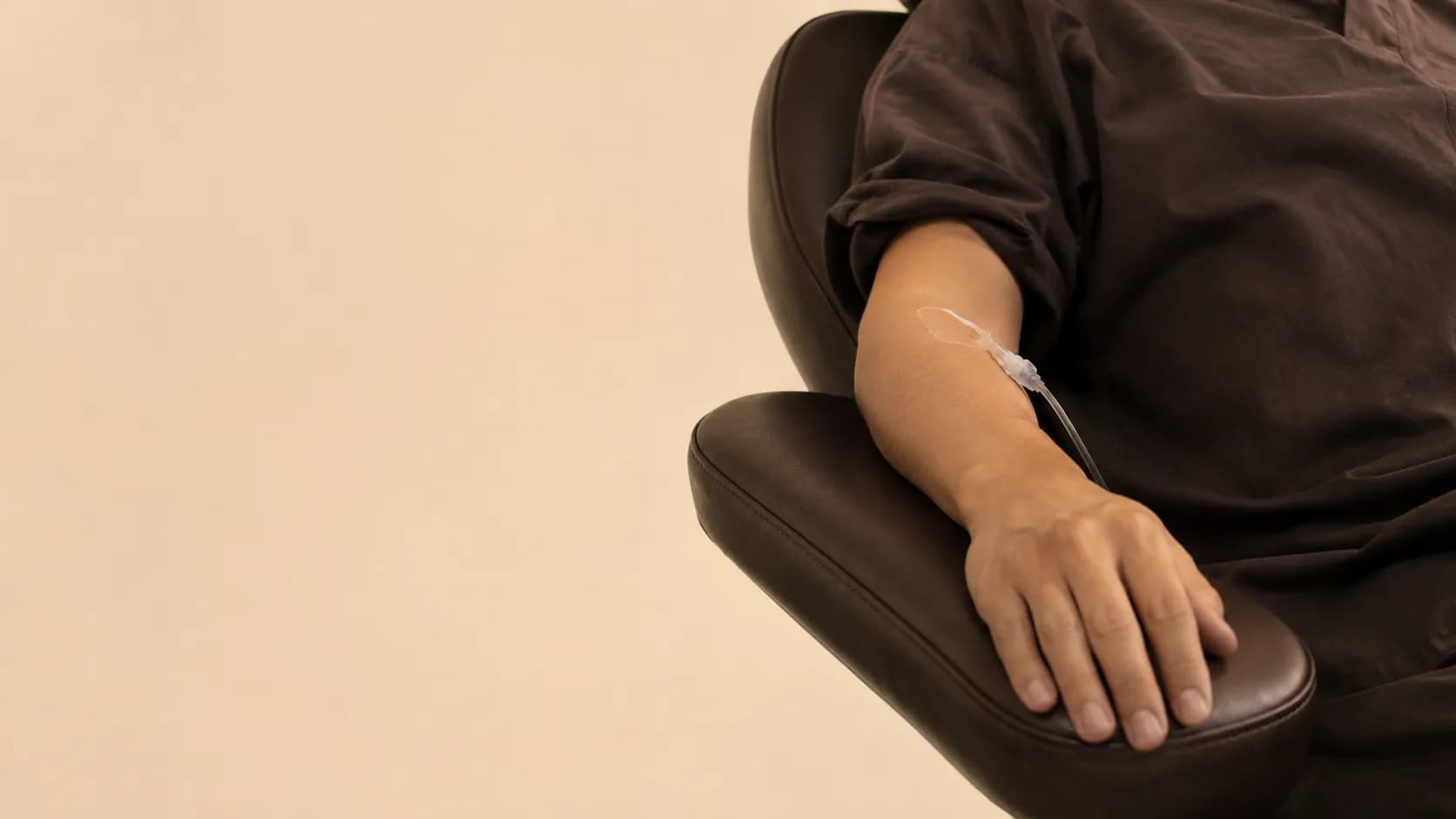
Intravenous conscious sedation makes it possible to approach certain treatments in a much calmer, more controlled and comfortable way, especially for patients with anxiety, fear of the dentist, or long procedures.
Let's talk about your comfortExplore what your visit could be like01 / Knowing what to expect
Step by step. With you.
Understanding the journey may help you take the first step. Explore what we assess before, how we support you during and what happens afterwards.
First, we listen.
We discuss your concerns, medical history and medication. The team assesses suitability and explains preparation.
- Discuss
- Your concerns and questions.
- Assess
- Your health and planned treatment.
- Prepare
- Individual instructions and an escort.
Calmer. Supported.
Conscious sedation aims to reduce anxiety while maintaining the ability to respond. The patient is monitored during treatment.
- Relax
- Help you approach the procedure.
- Connect
- Maintain contact with the team.
- Supervise
- Observe your response during treatment.
Care continues.
Recovery is supervised before discharge. Going home is arranged with an escort and aftercare instructions.
- Recover
- Check how you are feeling.
- Accompany
- Arrange an assisted journey home.
- Care
- Follow recovery instructions.
An illustrative journey. Suitability and instructions are tailored to each person and procedure. It does not replace clinical assessment.
02 / Putting questions into words
Will I be asleep?
Conscious sedation maintains the ability to respond. You may feel relaxed or drowsy; the experience and recall vary between people.
Sedation and local anaesthesia
They have different roles: reducing anxiety and controlling pain in the treated area, respectively. They are combined according to the procedure.
What you remember
Memories may be limited or partial. Having no memory of treatment cannot be guaranteed.
Who is it especially recommended for?
Intravenous conscious sedation can be especially useful for patients with dental fear or anxiety, a strong gag reflex, previous bad experiences, or those who have been putting off treatment out of fear.
It's also very useful for implant surgery and long or complex procedures, where approaching treatment with greater calm can completely change the patient's experience.
Whether it's indicated is always assessed individually.
Peace of mind can be planned
Assessment. Attention. Care.
Sedation is considered within an individual treatment plan. Being able to express your concerns is part of that care.
Our collaborating anaesthesiology team
Anexión
At Clínica Ferrer, we work with Anexión for sedation. Their team consists of doctors specialising in Anaesthesiology and Resuscitation.
Meet the Anexión team (in Spanish)01 / Before starting
Whether it's indicated is always assessed individually.
02 / During treatment
Before sedation, we assess every case individually. During treatment, the patient is continuously monitored, tracking parameters such as blood pressure, heart rate, oxygen saturation and breathing.
03 / Before going home
Afterward, recovery is supervised before the patient can leave, accompanied.
An individual experience
“I came to this clinic because of the sedation option, since I'd always struggled with anxiety on previous visits to the dentist. What a blessing — I never imagined I could become such a good patient, once sedated, that is. All my problems solved in a couple of visits, and now I have no excuses not to go back. I wish I'd found them sooner. Highly recommended.”
An individual testimonial. Experiences and treatment needs may differ between people.
03 / What to know
Time for your questions.
Preparation and recovery are explained for your situation. These answers help start the conversation.
Do I need an escort?
Yes. For intravenous sedation, arrange a responsible adult and agree the aftercare arrangements with the team.
Do I need to fast?
You will receive specific instructions following assessment. Confirm what you may eat or drink and when.
What about my usual medication?
Share your medication, supplements and allergies. Do not change your regimen yourself; follow the team's instructions.
Can I drive or work afterwards?
Do not plan to drive after sedation. The team will explain when to resume activities and any precautions needed.
Is sedation suitable for everyone?
No. Health, medical history and planned treatment affect suitability. Assessment also allows other options to be considered.
General patient information
We begin by listening
You don't have to arrive without fear.
Tell us what worries you. The first conversation is about getting to know you and considering how we can help.
Let's talk about your comfort